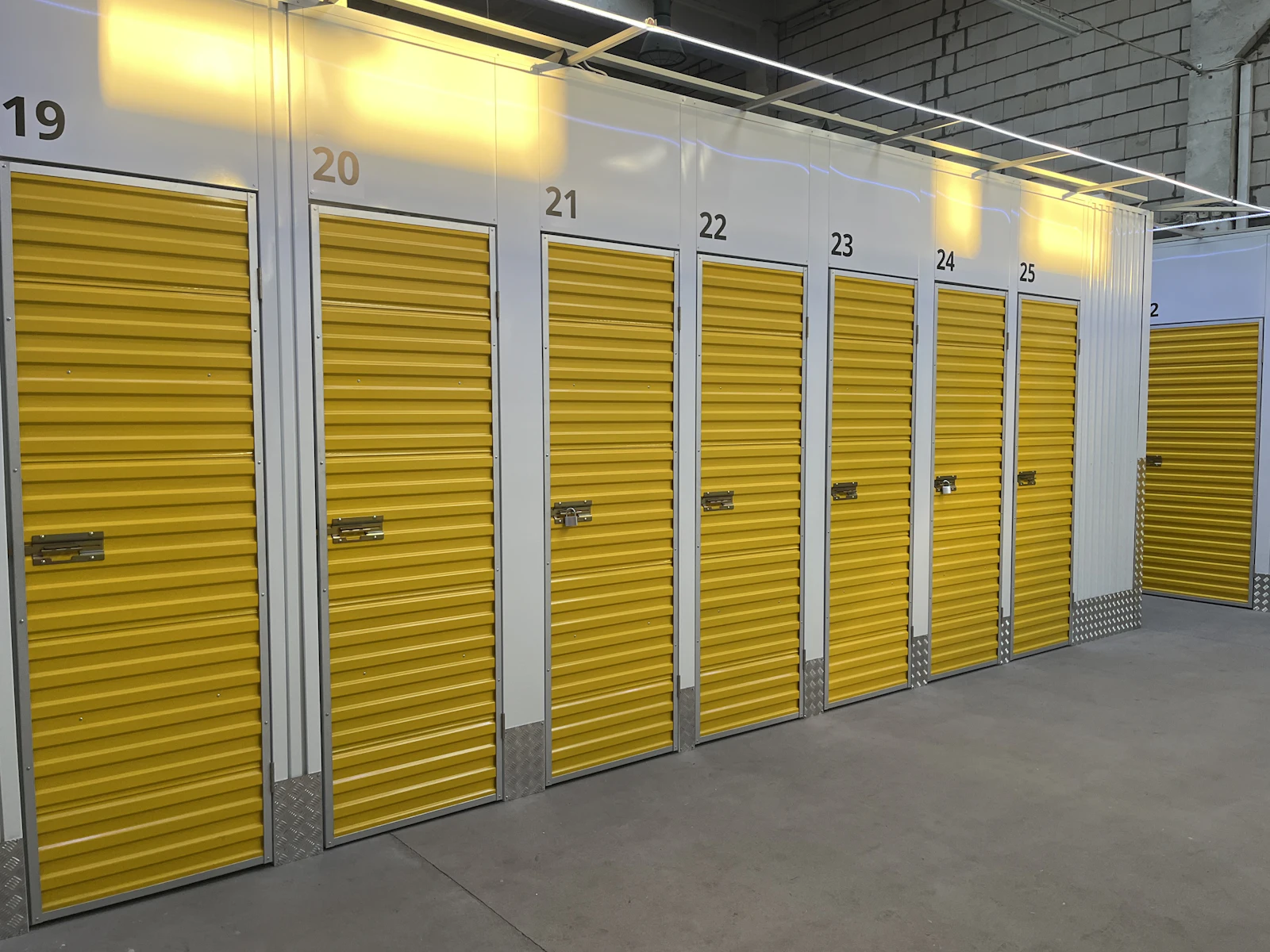


Storage for every situation
- Personal storage: self-storage units for furniture, boxes and seasonal items, plus climate-controlled storage for things that don’t like damp or heat.
- Life events: storage while moving house, renovating or travelling, and student storage between terms.
- Business storage: stock, tools, archives and equipment, from a small locker to a warehouse-style unit.
- Other options: portable and shipping-container storage, car, RV, caravan and boat storage, and renting a neighbour’s spare space.
Three questions to answer before you book
- How much space do you really need? Use our storage unit size guide. Picking one size too big is the most common way people overpay.
- How often will you need access? Drive-up units, 24-hour access and ground-floor units suit frequent visits. If you’ll rarely visit, a cheaper option further out may do.
- What will it really cost each month? Add insurance or protection cover, any admin fee, a lock and possible price rises. Our guide to saving on storage explains each one.
Public storage facilities or private space?
Most people rent from a self-storage facility: a staffed or app-managed site with individual lockable units, security and set access hours. Some prefer private or peer-to-peer storage, renting a garage, loft or driveway from a homeowner. Others use container storage delivered to their door. Each suits a different budget and level of convenience, and our checklist for choosing a storage unit works for all of them.
Last updated: 13 October 2026


