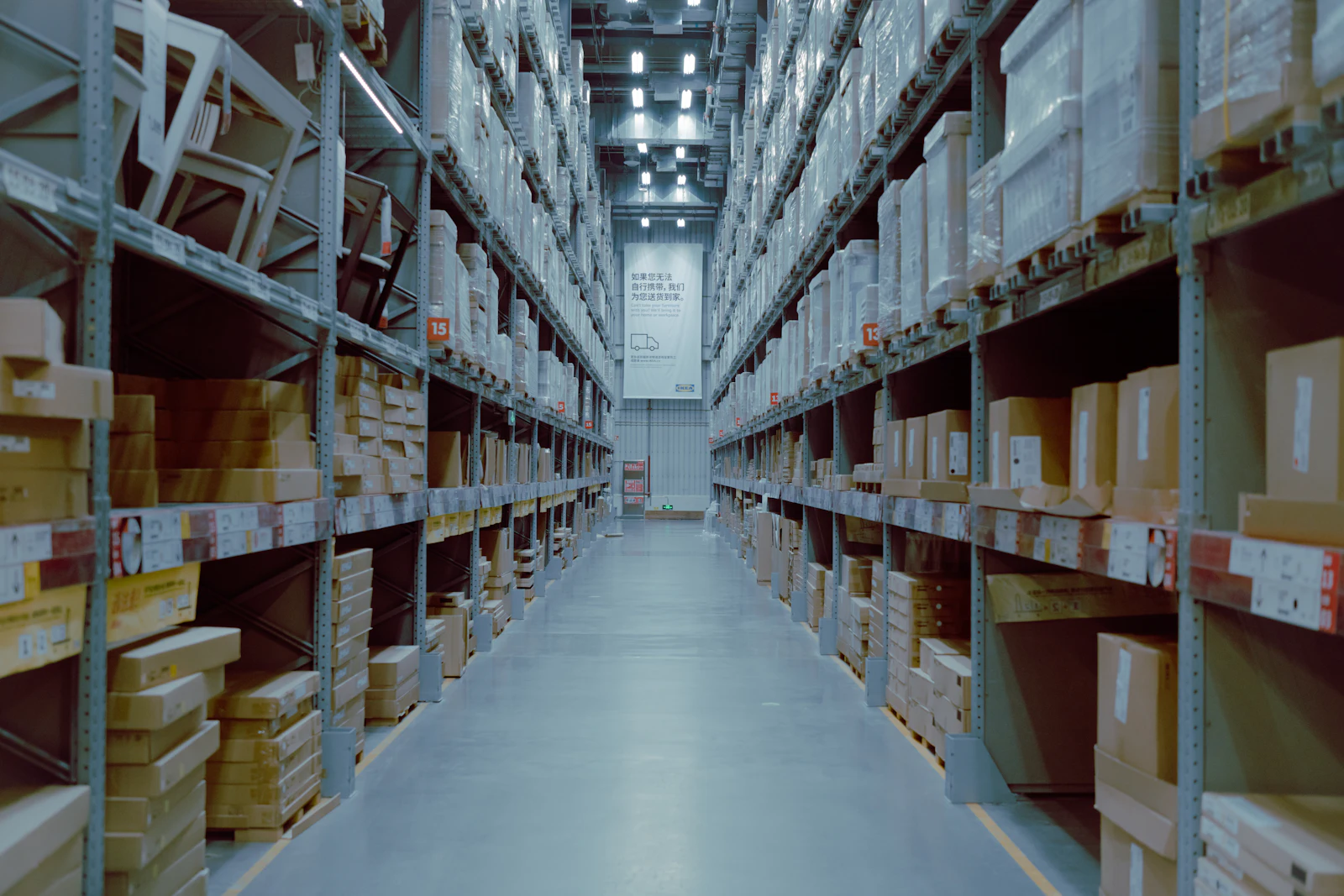
What businesses use storage for
- Stock and inventory for online sellers and retailers, especially seasonal peaks
- Tools, materials and equipment for tradespeople and contractors
- Document archives that must be kept but aren’t needed day to day
- Office furniture and IT during a move, refit or downsizing
- Event kit, exhibition stands and samples
Features to look for
- Delivery acceptance: some facilities sign for parcels and pallets when you’re not there
- Loading bays, pallet trucks, trolleys or forklift help
- Extended or 24-hour access for early starts
- Drive-up units for vans
- Wi-Fi, desks or small offices on site at some facilities
- Invoices that suit your bookkeeping, and in the UK and EU, VAT invoices you can reclaim from if you’re VAT-registered
Storing business records
Many businesses must keep records for years. In the UK, HMRC generally expects limited companies to keep records for 6 years from the end of the last company financial year they relate to. In the US, the IRS says to keep records for as long as they’re needed to support your tax return, which is often 3 years and longer in some cases. Check the rules that apply to you with your accountant.
- Box and label archives by year so they’re easy to destroy securely when no longer needed
- Keep boxes off the floor on pallets or shelving
- Consider a climate-controlled unit for paper records
- Keep an index of what’s stored where
Storage unit or warehouse lease?
Self storage suits businesses that want flexibility: monthly terms, the option to change size and no fit-out costs. A warehouse or industrial lease can cost less per square foot at larger sizes but usually means longer commitments, business rates or property taxes and running costs. Many businesses start with self storage and move on as they grow.
Last updated: 13 October 2026


