Two main types
- Portable storage containers (“pods”) are delivered to your driveway, loaded by you, then either stay on site or are taken to a secure depot. Some providers can move the container to your new home.
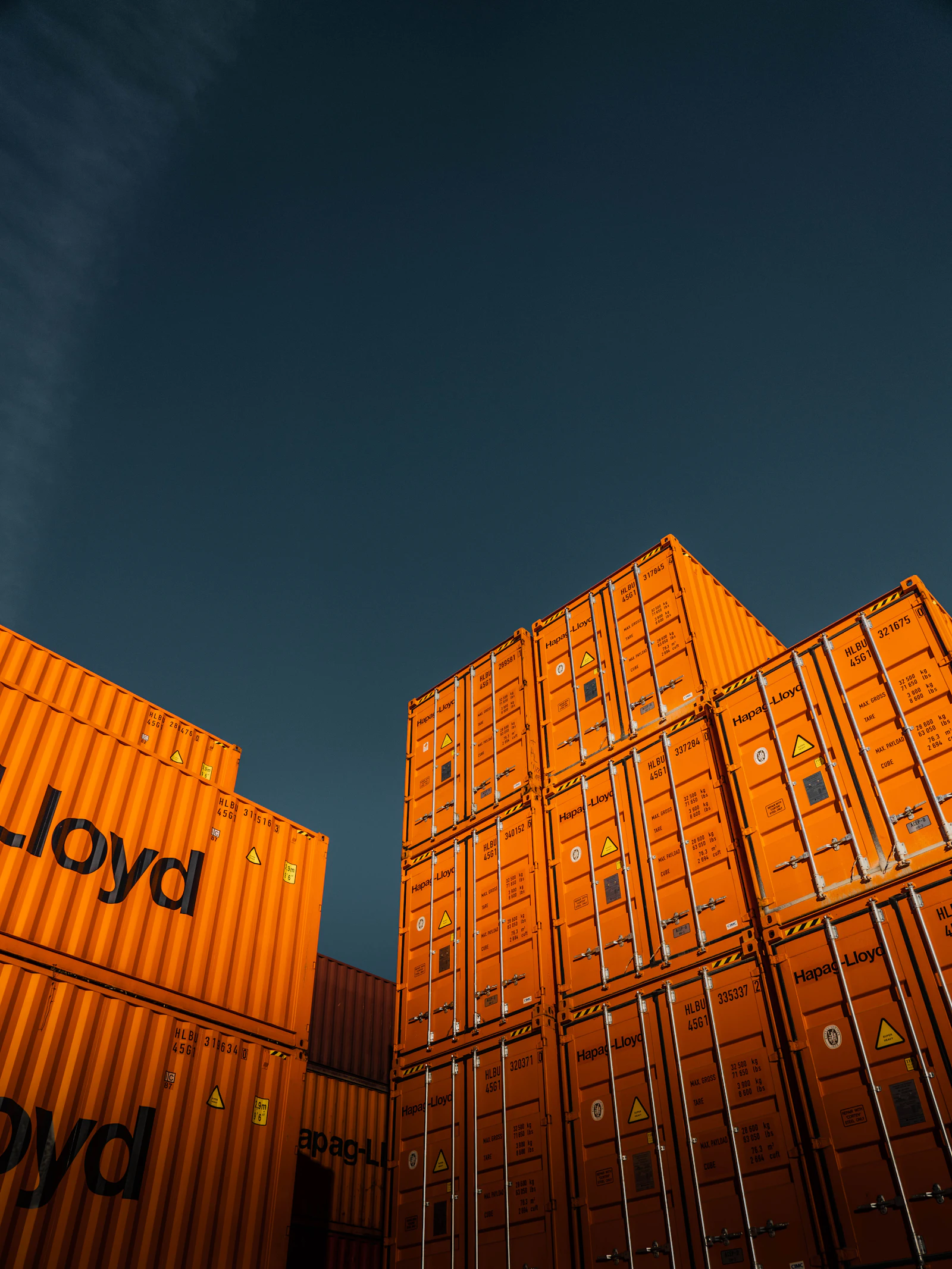
- Shipping containers are steel containers, commonly 20 ft or 40 ft long, rented or bought for longer-term on-site storage at homes, farms, building sites and businesses. They’re also used as rented units at some container storage yards.
When containers beat a storage unit
- You want to load at home without hiring a van
- You’re renovating and need storage on site
- You’re moving and the container can travel to your new home
- A building site or farm needs secure, weatherproof space
Permits and space
If the container can’t go on your own driveway or land, you may need permission to place it on the street (from your local council in the UK, or your city or municipality in the US and Europe). Homeowners’ associations and leases can have rules too. Check access for the delivery truck, ground conditions and overhead cables before booking.
What to check before you book
- Delivery and collection fees, and any charge to move the container to a new address
- Whether the container is weatherproof and how it’s locked
- Where it’s stored when off site, and whether you can visit it
- Insurance or protection cover while it’s on your property and in transit
- Minimum rental period
Last updated: 13 October 2026


