How self storage works
- Choose a facility and a unit size, online or in person.
- Sign a rental agreement. Many are rolling monthly contracts with a notice period; some offer discounts for longer terms.
- Arrange insurance or the provider’s protection cover. Many facilities require your goods to be covered.
- Move in with your own lock (or the facility’s smart lock) and access the unit whenever the site is open to you.
- Give notice when you’re done, empty the unit and leave it clean.
Indoor, drive-up and outdoor units
- Indoor units sit inside a building, reached by corridors and often lifts. They’re usually cleaner and better protected from the weather. This is the most common type in the UK and much of Europe.
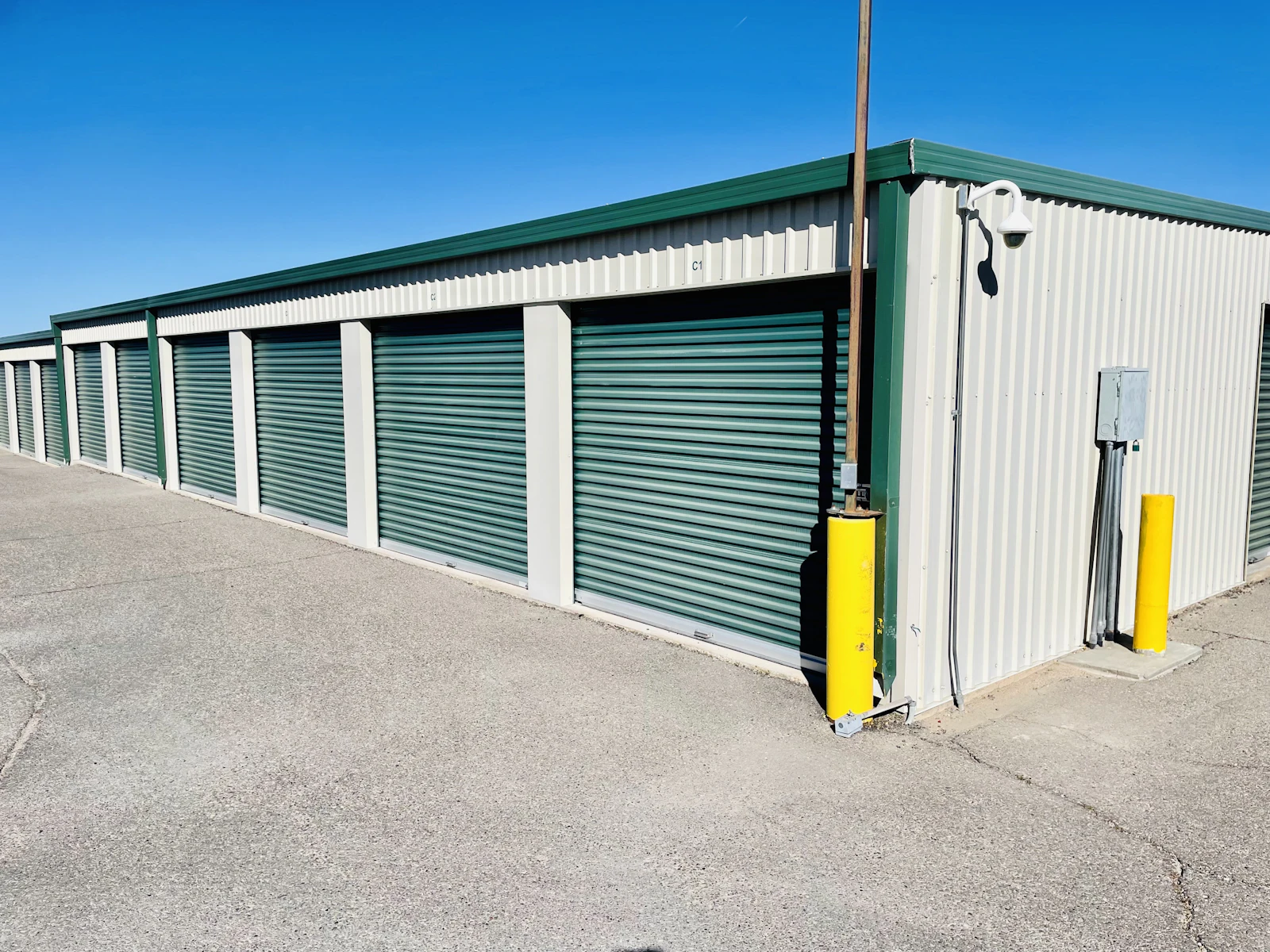
- Drive-up units have a roll-up door you can park right in front of. They’re very common in the US and make loading heavy furniture much easier.
- Outdoor parking and lock-ups suit vehicles, trailers and hard-wearing equipment.
- Climate-controlled units keep temperature (and sometimes humidity) within a set range for sensitive items.
What you can and can’t store
Furniture, boxes, appliances, sports gear, business stock and documents are all fine in most facilities. Almost every contract bans:
- Flammable, explosive or hazardous materials (fuel, gas bottles, paint thinners, fireworks)
- Food and perishables that attract pests
- Living things: people, pets and plants
- Stolen goods, illegal items, weapons and ammunition (rules vary by country)
- Anything that smells, leaks or is wet
See our guide to what not to put in storage for more detail.
What to compare between facilities
- The full monthly price, including insurance, VAT (UK/EU) and any admin or set-up fee
- Introductory offers and what you’ll pay once they end
- Access hours and how you get in (keypad, app, staffed reception)
- Security: CCTV, gated entry, individual unit alarms, on-site staff
- Minimum term and notice period
- Location: a site a little further out is often cheaper if you won’t visit often
Our storage unit checklist covers each point in more depth.
Last updated: 13 October 2026


